
Good posture is not about standing stiffly or holding yourself in one perfect position all day. It is about feeling balanced, comfortable and steady as you move through everyday life — sitting at the table, walking to the shops or reaching for something on a shelf.
As we get older, many of us notice small changes in the way we stand or sit. The shoulders may round forward a little, the head may drift in front of the body, or standing tall may take more effort than it used to. These changes often happen gradually, and they do not mean you have done anything wrong.
The good news is that gentle, regular movement can help you feel more comfortable in your body. This guide explains how to improve posture with a simple wall check, five gentle exercises and a few everyday habits. You can practise at home, at your own pace, with no special equipment.
Why Posture Often Changes as We Get Older
Posture changes for many everyday reasons, and most of them are gradual rather than sudden. Muscles that are not used often can become less active. Time spent sitting, driving or looking at a screen can encourage the shoulders to round forward. We may also become less aware of how we are standing or sitting.
Some common reasons include:
- Muscles become less active: If we sit for much of the day, the muscles that support the upper back and neck may not get much use.
- Sitting for long periods: A chair that is too low, too soft or without back support can encourage a slumped position.
- Looking down often: Reading, using a phone or watching television can draw the head forward.
- Carrying bags or shopping: Heavy or uneven loads can pull the shoulders forward or to one side.
- Feeling less confident about balance: Some people hunch slightly when they feel unsteady, especially when walking on uneven ground.
- Changes in joints and muscles: With age, joints may feel stiffer and muscles may feel tighter, which can make it harder to stand tall comfortably.
These changes are common, and they do not happen overnight. Gentle exercise, small changes in daily habits and a little awareness can help you feel steadier and more comfortable.
A Step-by-Step Wall Posture Check You Can Do at Home
A wall check is a simple way to notice how you are standing. It takes only a minute, and you do not need any equipment.
Step 1: Find a clear wall.
Choose a flat wall with enough space to stand against it. Remove any clutter so you can stand comfortably.
Step 2: Stand with your back to the wall.
Place your heels about 5 to 10 centimetres from the wall. Stand with your feet about hip-width apart and your knees soft, not locked.
Step 3: Let your back touch the wall.
Allow the back of your head, your shoulder blades and your bottom to rest gently against the wall. Keep your chin level and look straight ahead.
Step 4: Check the space behind your lower back.
Slide one hand behind the curve of your lower back. There should be a small, natural gap — about the thickness of your hand. If the gap feels very large, your lower back may be arching. If there is almost no gap, your pelvis may be tucked under.
Step 5: Notice your shoulders.
Your shoulders should rest lightly against the wall without being forced back. If one shoulder touches the wall more easily than the other, that is simply something to notice.
Step 6: Check your head position.
Your head should rest comfortably against the wall without you pushing it backwards. If the back of your head does not reach the wall easily, your head may be sitting forward.
Step 7: Step away and remember the feeling.
Step forward slowly and try to keep the same upright feeling as you walk. You can repeat this check every few days to notice how you feel.
This check is not a test you can pass or fail. It is a gentle way to become more aware of your posture.
Five Gentle Exercises for Better Posture
The exercises below are designed to be practised slowly and comfortably. Choose a time when you feel rested, and take breaks whenever you need them. Begin with a small number of repetitions and build up gradually.
1. Chin Tucks
Chin tucks are a gentle way to practise bringing the head back over the shoulders. They can be done sitting or standing.
Step 1: Sit or stand comfortably.
Choose a chair with a firm back, or stand with your feet hip-width apart. Keep your shoulders relaxed and your eyes looking straight ahead.
Step 2: Relax your shoulders.
Let your shoulders drop away from your ears. Take a slow, comfortable breath.
Step 3: Draw your chin gently backwards.
Imagine you are making a small double chin. Glide your chin straight back, as if you are sliding it towards the back of your neck. Keep looking straight ahead and do not tip your head down.
Step 4: Hold for a few seconds.
Hold the position for three to five seconds. You should feel a gentle stretch at the back of your neck, not pain.
Step 5: Release slowly.
Let your chin return to its usual position. Relax your neck and shoulders before starting again.
Step 6: Repeat.
Try five to eight repetitions. Stop if you feel dizzy or uncomfortable.
2. Shoulder Blade Squeezes
This exercise helps you become aware of the muscles between your shoulder blades. It can be done sitting or standing.
Step 1: Sit or stand tall.
Sit in a chair with your feet flat on the floor, or stand with your feet hip-width apart. Let your arms hang beside you.
Step 2: Relax your arms.
Keep your elbows slightly bent and your hands relaxed. Avoid tensing your hands or fingers.
Step 3: Squeeze your shoulder blades together.
Gently draw your shoulder blades towards each other, as if you are holding a small object between them. Keep the movement small and controlled.
Step 4: Keep your shoulders down.
As you squeeze, try not to lift your shoulders towards your ears. Your neck should stay relaxed.
Step 5: Hold briefly.
Hold the squeeze for three to five seconds while breathing normally.
Step 6: Release and repeat.
Let your shoulder blades relax. Repeat five to eight times, resting between repetitions if needed.
3. Chest Opener Stretch
This stretch opens the front of the chest and shoulders, which can feel tight after sitting for a long time.
Step 1: Sit or stand comfortably.
Sit near the front of a chair with your feet flat on the floor, or stand with your feet hip-width apart.
Step 2: Place your hands behind you.
Bring both hands behind your back and gently clasp them together. If you cannot clasp your hands, hold the ends of a towel instead.
Step 3: Straighten your arms gently.
Slowly straighten your elbows and lift your hands a small distance away from your back. Keep your shoulders relaxed.
Step 4: Open your chest.
Lift your chest gently and draw your shoulder blades together. Keep your chin level and avoid arching your lower back.
Step 5: Hold the stretch.
Hold for 10 to 15 seconds while breathing slowly. You should feel a gentle stretch across the front of your chest.
Step 6: Release slowly.
Lower your hands and let your arms rest beside you. Repeat two or three times if it feels comfortable.
4. Seated Tall-Sitting Practice
Tall-sitting practice helps you notice what an upright sitting position feels like. It is not about holding yourself rigidly, but about finding a comfortable, supported position.
Step 1: Sit in a firm chair.
Choose a chair with a straight back. Sit with your feet flat on the floor and your knees at about a right angle.
Step 2: Feel your sitting bones.
Notice the two bony points at the base of your pelvis pressing into the chair. Try to sit evenly on both of them.
Step 3: Lengthen your spine.
Imagine a gentle pull from the top of your head towards the ceiling. Let your spine lengthen without forcing your back to arch.
Step 4: Relax your shoulders.
Allow your shoulders to rest back and down. Your arms can rest on your thighs or on the chair arms.
Step 5: Keep your chin level.
Look straight ahead with your chin level. Avoid pushing your head forward or pulling it back.
Step 6: Practise for short periods.
Hold this tall, relaxed position for one to two minutes while breathing normally. Rest in your usual sitting position, then try again. With practice, you may find it easier to sit tall for longer.
5. Gentle Wall Slides
Wall slides combine a gentle arm movement with an upright back position. They are best done slowly and within a comfortable range.
Step 1: Stand with your back to the wall.
Place your heels about 10 centimetres from the wall. Let the back of your head, shoulder blades and bottom rest gently against it.
Step 2: Bend your knees slightly.
Keep your knees soft and your lower back close to the wall, with a small natural gap.
Step 3: Place your arms against the wall.
Raise your arms to shoulder height and bend your elbows so your upper arms and forearms form a “W” shape. The backs of your hands and forearms should rest lightly against the wall.
Step 4: Slide your arms upwards.
Slowly slide your arms up the wall, keeping them in contact with the wall as much as possible. Move only as far as feels comfortable, without lifting your shoulders or arching your back.
Step 5: Slide your arms back down.
Slowly return your arms to the starting “W” position. Keep the movement smooth and controlled.
Step 6: Repeat.
Try five to eight slow repetitions. If your arms lift away from the wall, reduce the height of the movement.
Simple Daily Habits for Better Posture
Exercises are helpful, but everyday habits also make a difference. Small changes can add up over time.
Sitting
When you sit, try to use a chair that supports your back. Keep your feet flat on the floor and your knees at a comfortable height. Avoid sitting in one position for too long. Stand up, stretch gently and walk around every 30 to 60 minutes if you can.
Learning how to engage your core gently while sitting can also help you feel more supported. The aim is not to tense your stomach tightly, but to notice a light, steady support around your middle.
Using Screens
If you use a phone, tablet or computer, try to hold the screen at a comfortable height rather than looking down for long periods. When reading, rest the book or device on a cushion or stand so you do not need to bend your neck forward. Take short breaks to look ahead and roll your shoulders.
Walking
When you walk, look ahead rather than down at your feet. Let your arms swing gently and keep your shoulders relaxed. Take comfortable steps and wear shoes that feel stable. Walking slowly and steadily can help you feel more confident and balanced.
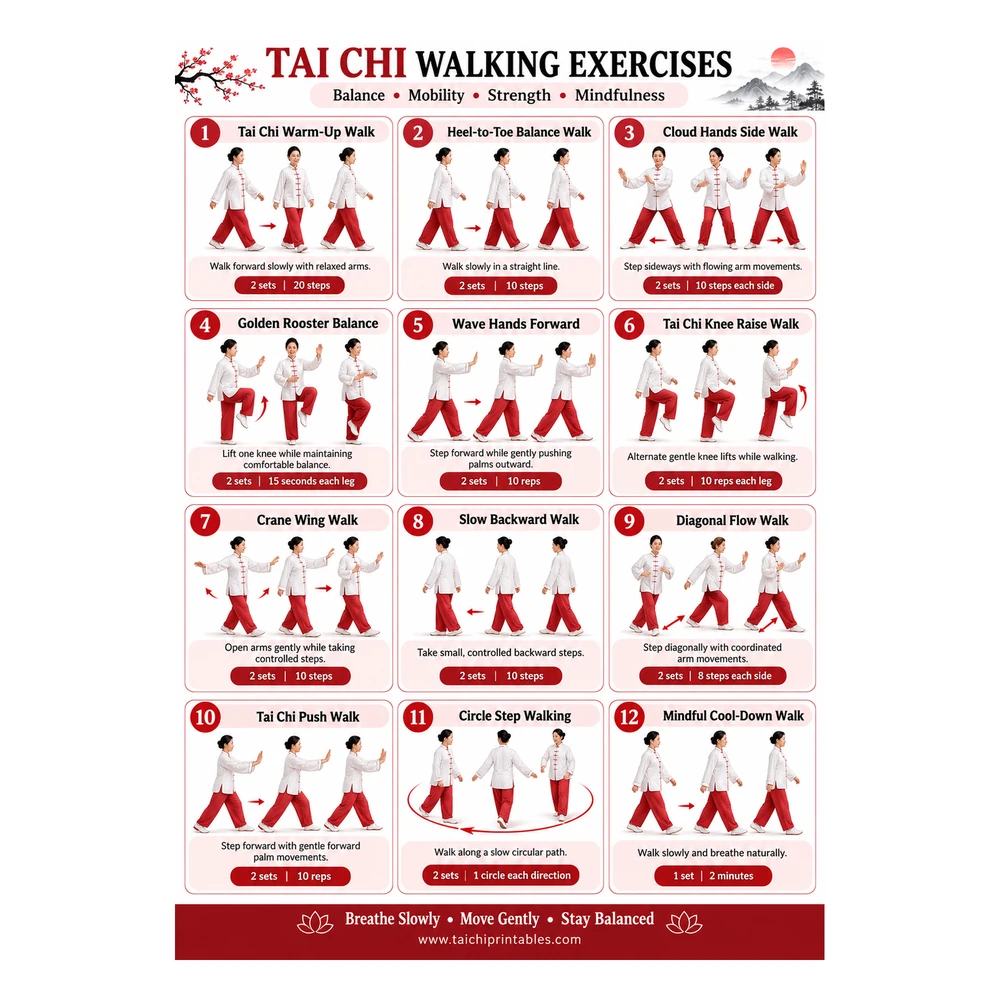
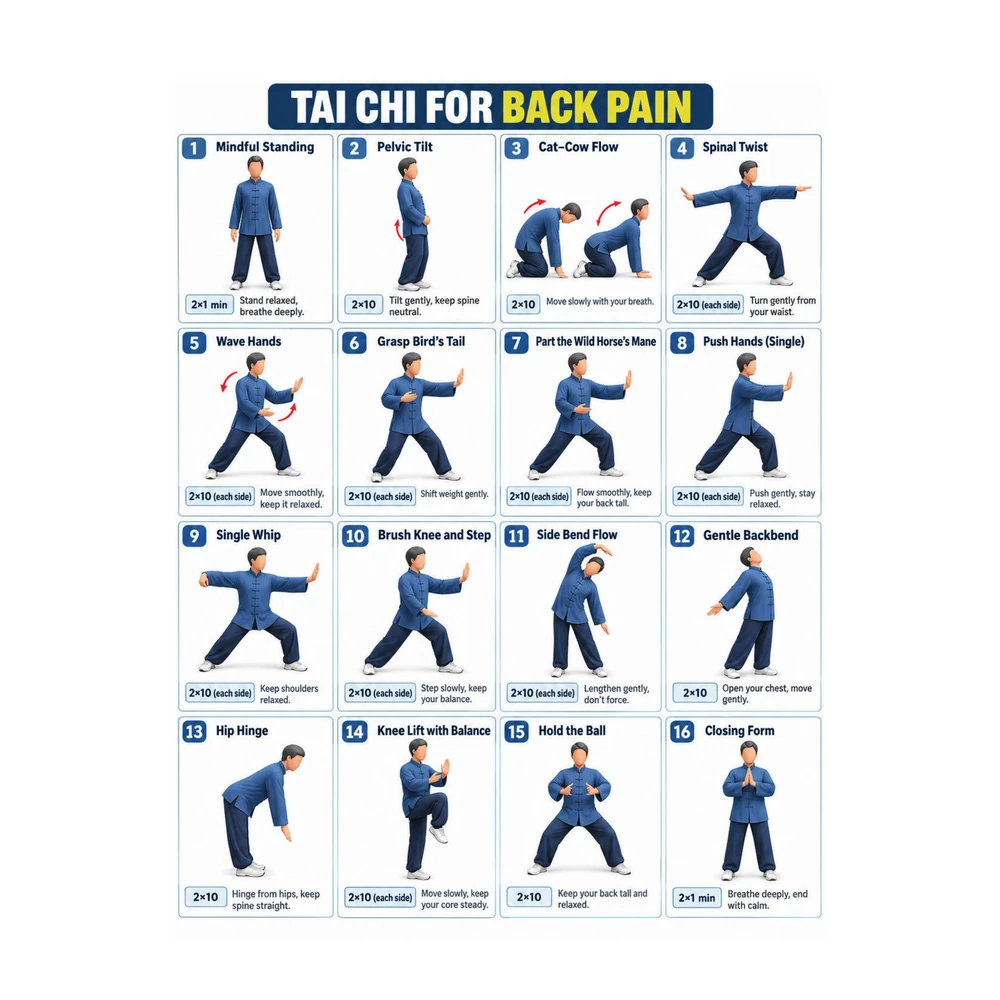
Many people find that gentle movement practices, such as tai chi, can help them feel steadier and more aware of their posture. If you experience back discomfort, you may find our guide to tai chi for back pain helpful. You can also explore our guide to tai chi breathing for beginners to practise slow, relaxed breathing alongside gentle movement.
A Short Safety Note
Safety is important when starting any new exercise. Move slowly, stay within a comfortable range and stop if anything hurts. If you feel dizzy, unsteady or unwell, sit down and rest. If you are unsure whether an exercise is suitable for you, talk to a doctor or physiotherapist before continuing.
Frequently Asked Questions
1. How Long Does It Take to Improve Posture?
There is no fixed time, and everyone is different. Many people find that regular, gentle practice over several weeks helps them feel more comfortable and aware of their posture. The key is consistency rather than trying to change everything at once.
2. How Often Should I Do These Exercises?
You can try the exercises a few times a week, or even daily if they feel comfortable. Start with a small number of repetitions and take breaks when needed. It is better to practise little and often than to do too much in one session.
3. Can I Improve My Posture If I Sit for Long Periods?
Yes. Regular breaks, a supportive chair and gentle movement can help. Try to stand and stretch every 30 to 60 minutes, and practise the tall-sitting position when you return to your chair.
4. Can I Improve My Posture If I Have Been Sitting for Many Years?
Yes. Many people find that gentle movement helps them feel more comfortable, even if they have been sitting for long periods over many years. The key is to start slowly, practise regularly and avoid forcing your body into an uncomfortable position.
5. Do I Need Special Equipment to Improve My Posture?
No. The exercises in this guide need only a wall and a sturdy chair. You do not need weights, bands or other equipment to begin.
A Gentle Way to Finish
Improving your posture is not about achieving a perfect position. It is about moving gently, noticing how your body feels and building habits that support you through the day. Start with the wall check, try one or two exercises, and add more as you feel comfortable. With patience and regular practice, you may find that standing and sitting tall begins to feel more natural.