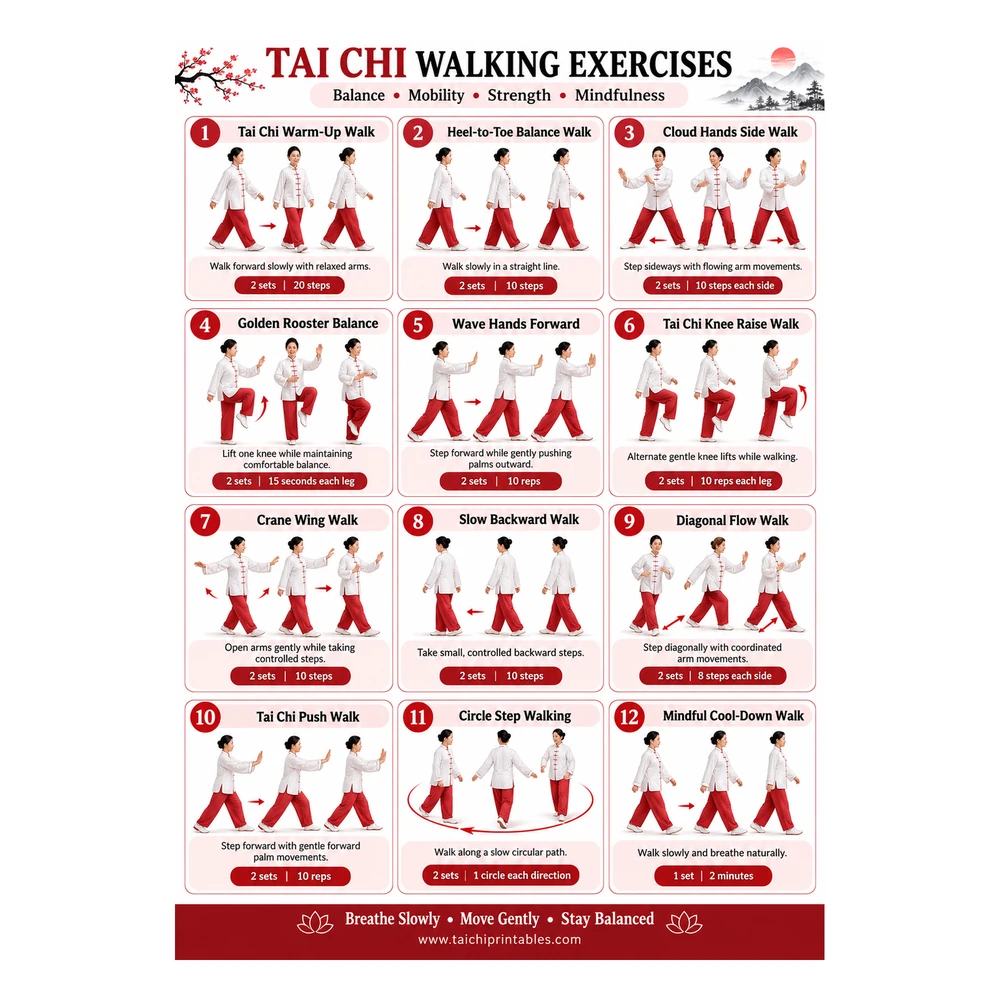

If you have seen older adults moving slowly through a series of flowing postures in a park or a community hall, you have probably wondered whether there is anything to it. Tai chi looks gentle — almost too gentle to count as exercise. So is tai chi good for you, or is it just pleasant stretching with good PR?
The honest answer is that tai chi is a sensible, low-impact way to keep moving, and for many older adults and beginners it is one of the easiest forms of exercise to stick with. It is not a cure for anything, and it will not replace harder exercise if that is what you need. But as a regular practice it has real, practical value. Here is what it does well, where its limits are, and who it suits.
The short answer: Yes — for most people, tai chi is good for you as a gentle form of regular movement. It gives you slow, controlled exercise that practises balance, keeps joints moving, and builds a calm daily routine. Its limits are just as clear: it is not vigorous exercise, it is not a treatment for any medical condition, and results come gradually. If you want low-impact movement you will actually keep doing, tai chi is a strong option.
What Tai Chi Is Good For
These are practice benefits — things the movements themselves work on each time you do them — rather than medical promises.
1. Regular, Low-Impact Movement
Tai chi keeps you moving without jarring your joints. The postures flow into each other, your weight shifts from leg to leg, and your arms move in slow arcs. There is no jumping, no running, and no sudden load. For someone whose knees or back complain during faster exercise, that gentleness is often the reason the practice survives past the first week.
2. Balance Practice
Almost every tai chi movement asks you to stand on one leg briefly while the other steps, or to shift your weight slowly and deliberately. That is balance practice built into ordinary movement. You are not standing on a wobble board — you are training the same steadiness you use when you turn, step off a kerb, or reach for a shelf.
3. Posture and Body Awareness
Tai chi is taught with constant reminders: stand tall, relax your shoulders, soften your knees, look ahead. Over time, those cues become habits you carry into the rest of the day. Practising slowly also makes you notice how you move — where your weight sits, whether one side feels stiffer than the other — and that awareness is useful in itself.
4. A Calm, Settling Routine
The slow pace and steady breathing make tai chi feel different from a brisk workout. Many people use a short morning session the way others use a walk to clear their head. A practice with a low barrier to starting — no equipment, no special clothes, no travel — is one you are more likely to repeat.
5. Gentle Mobility for Stiff Joints
The movements take your shoulders, hips, knees, and spine through comfortable ranges of motion, one at a time and without forcing. Done regularly, that kind of easy movement pairs well with everyday activities like gardening, housework, and walking.
The Honest Limits
A straight answer has to include what tai chi does not do.
1. It Is Not Vigorous Exercise
Tai chi raises your heart rate only slightly. If your goal is cardiovascular fitness, weight loss, or building significant strength, tai chi alone will not get you there. It sits at the gentle end of the exercise spectrum — movement practice, not a workout replacement. Many people combine it with regular walking, and that pairing covers both bases well.
2. It Is Not a Medical Treatment
Tai chi is exercise, not therapy. It does not treat arthritis, back pain, blood pressure, or any other condition, and it should never replace medication or treatment your doctor has prescribed. Any health improvements should be discussed with your own clinician, who knows your situation.
3. Progress Is Gradual
You will not feel transformed after two sessions. The benefits of tai chi come from repetition over weeks and months — slightly steadier balance, slightly easier movement, a routine that feels like yours. People expecting quick results tend to quit just before the practice starts paying off.
4. Standing Practice Does Not Suit Everyone
Most tai chi is done standing, and standing for fifteen or twenty minutes is not possible for everybody. That does not rule the practice out. Seated and chair-supported versions of the same movements exist and are widely taught for seniors, so the practice can be adapted to a chair, a walker nearby, or short standing intervals with rest breaks.
Who It Suits Best
Tai chi suits people who want to move more but need the movement to be kind. In practice, that usually means:
- Seniors who want to stay active, steady, and mobile without high-impact exercise
- Complete beginners who have never followed an exercise routine and want a calm place to start
- People returning to movement after a long sedentary stretch, who need to rebuild the habit gently
- People who dislike intense workouts — no gym, no shouting instructors, no breathless circuits
- Anyone who prefers exercising at home, since tai chi needs only a small clear space
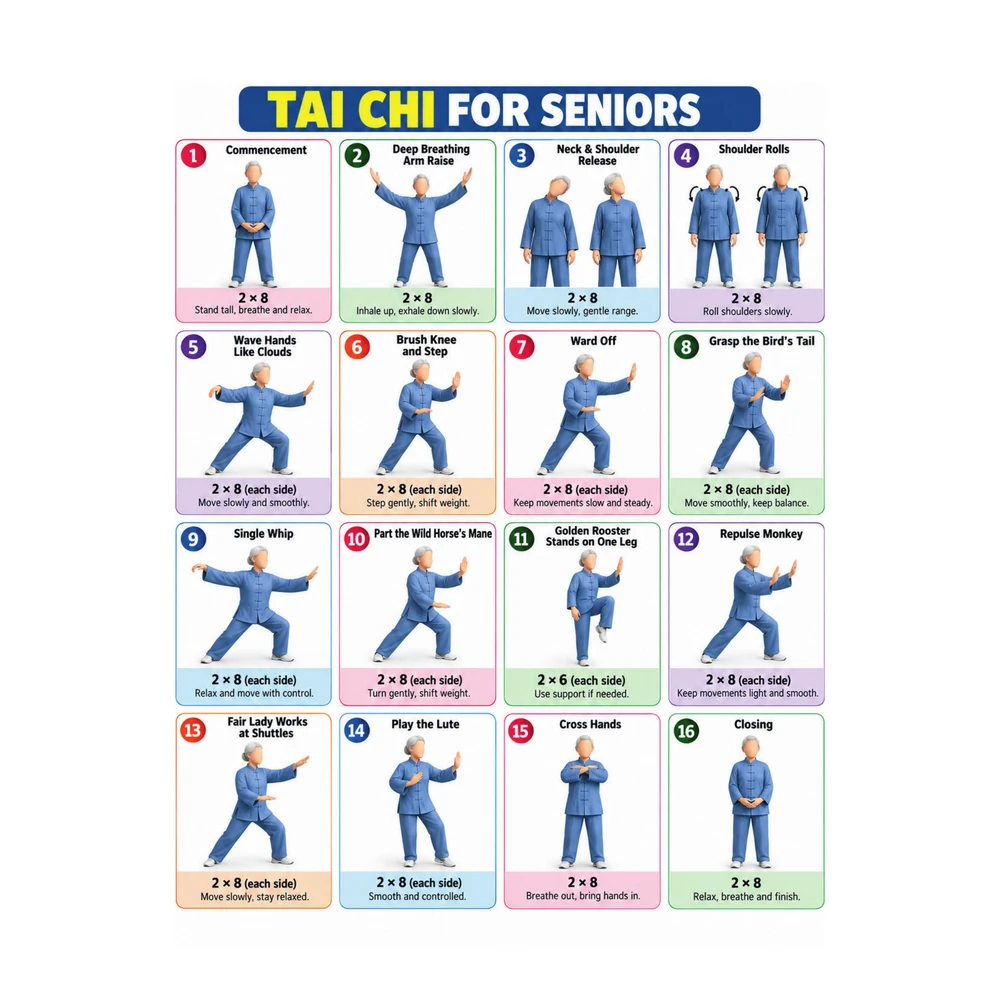
If that sounds like you, a structured starting point helps. This Tai Chi for Seniors routine walks through a full set of gentle movements, and this beginners guide explains how to start practising at home in short sessions.
Who Should Check With a Doctor First
Most people can start gentle tai chi without any fuss, but check with your doctor first if:
- You have had a recent fall, fracture, surgery, or joint replacement
- You feel dizzy, faint, or unsteady when standing
- You have a heart condition, uncontrolled blood pressure, or severe arthritis
- You are recovering from an injury and have been told to limit movement
A quick conversation first is not a barrier — it just helps you choose the right starting level, including whether seated practice is the better option for now.
Is Tai Chi a Martial Art?
Yes, originally. Tai chi began in China as a martial art, and its slow forms were built from movements that once had fighting applications. That history is real, and some schools still teach it that way.
What most seniors and beginners practise today is different. Modern classes and home routines take the same flowing movements and teach them purely as gentle, no-contact exercise — no sparring, no opponents, no combat training. So while the roots are martial, the practice you will meet in a senior exercise class is health-focused movement that happens to have an interesting past.
Get the Printable Chart
If you would rather follow a set routine than piece movements together from videos, the Tai Chi Exercises for Seniors printable chart puts the whole practice on one page. It is a one-page A4 printable PDF chart of 16 gentle Tai Chi movements for seniors, each with an illustration and short instructions, so you can prop it up and work through the movements in order. No scrolling, no hunting for the next video — just the routine, on paper.
Frequently Asked Questions
1. Is tai chi good exercise compared to walking?
They do different jobs. Walking is the better all-round exercise for your heart and stamina — it gets you breathing harder and covers more ground, literally. Tai chi is slower and gentler, but it practises things walking does not: deliberate weight shifting, balance in varied positions, and upper-body movement through wide, controlled ranges. Asking is tai chi good exercise really depends on what you need. Many people do both — walking for general fitness, tai chi for steadiness, mobility, and a calm start to the day.
2. How often should a beginner practise?
A little and often beats a lot once in a while. Start with ten to fifteen minutes, three or four days a week, and repeat the same movements until they feel familiar. As your confidence grows, you can practise daily or stretch sessions to twenty or thirty minutes. Consistency matters far more than session length, especially in the first month.
3. Do I need any equipment or special clothing?
No. Tai chi needs a small clear space, flat comfortable shoes or bare feet, and clothes you can move in. Nothing to buy, nothing to set up — one reason people keep the habit going at home.
4. Can I do tai chi sitting down?
Yes. Chair tai chi adapts the same arm movements, turns, and weight awareness to a seated position, and standing movements can be done with a chair back for support. Seated practice is a sensible starting point if standing for long is difficult, and many people mix the two — seated on tired days, standing on good ones.
5. How long before I notice a difference?
Expect gradual change over weeks, not days. The first thing most people notice is that the movements feel less awkward and the routine easier to start. Steadier balance and easier movement tend to follow. If you feel nothing after a couple of months of consistent practice, a different form of exercise may suit you better — a fair conclusion too.
Final Thoughts
So, is tai chi good for you? As gentle, regular movement that practises balance, keeps joints moving, and fits into an ordinary day without equipment or strain — yes, it earns its place. Just go in with clear expectations: it will not replace vigorous exercise or medical care, and it rewards patience rather than intensity. For seniors and beginners who want a calm, sustainable way to keep moving, that trade-off is usually a good one.
Safety Note: This article is general information about a gentle form of exercise, not medical advice. Tai chi is not a treatment for any condition. Start slowly, stay within a comfortable range of movement, use a chair or support if you feel unsteady, and stop if anything hurts. If you have a medical condition, a recent injury, or any doubt about whether tai chi is suitable for you, talk to your doctor or physiotherapist before you begin.